
Importance of Dental Health and the Role of Tooth Extractions
Dental health is vital for overall well-being, influencing our lives. Regular oral care, including brushing, flossing, and dental check-ups, helps prevent issues like cavities and gum disease. Healthy teeth are crucial for proper nutrition, digestion, and overall quality of life. While tooth extractions are a last resort, they play a role in preserving oral health when necessary, addressing severe damage, infection, or orthodontic needs. Maintaining good dental health through preventive measures is key to a confident and pain-free smile.
Do You Need a Tooth Extraction or a Trusted Second Opinion?
If you’re experiencing dental pain, have been told you may need a tooth extraction, or would like a trusted second opinion, our team is here to help. New patients can schedule a comprehensive consultation by calling Washington Periodontics.
Call Now (571) 569-7540
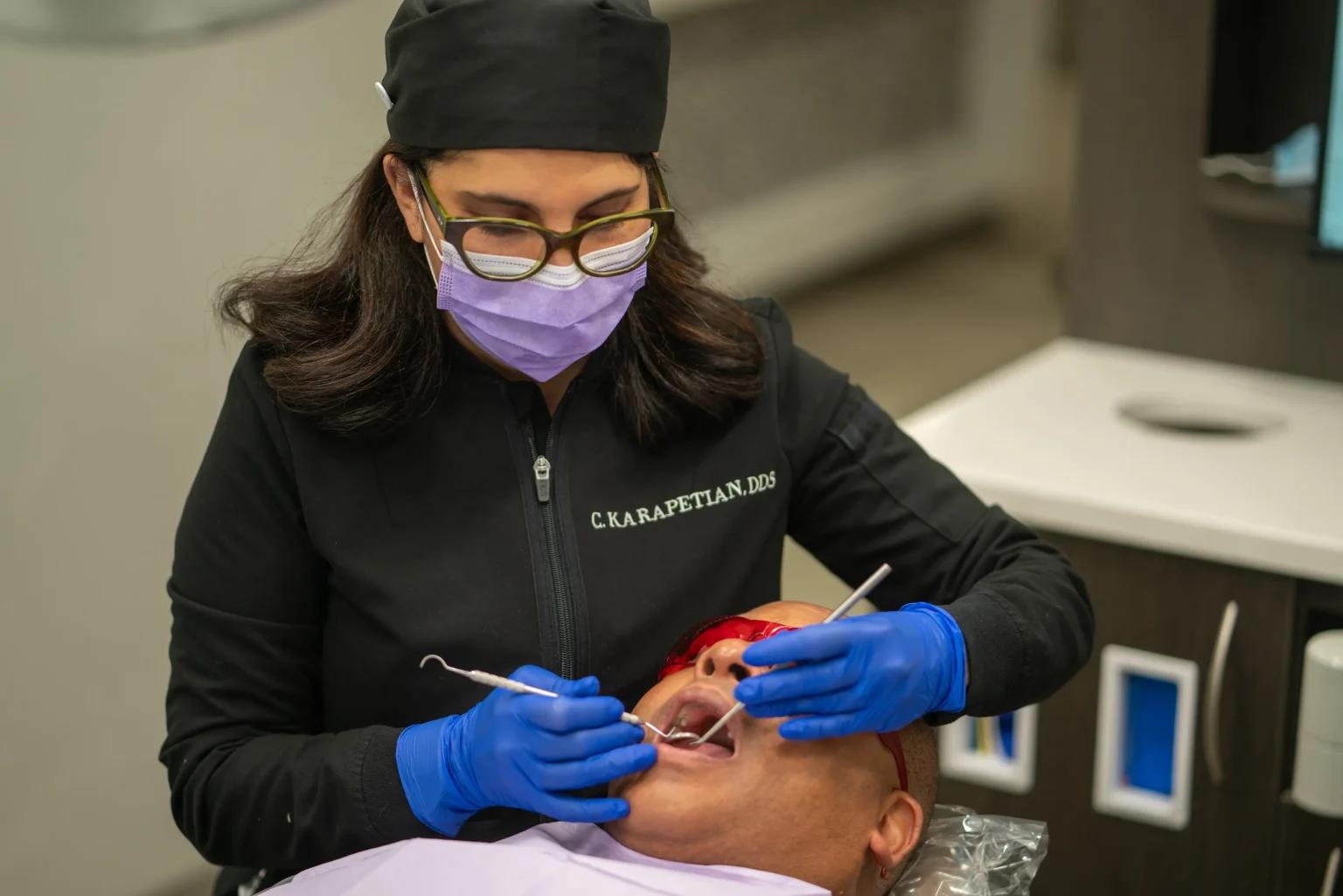
During your visit, Dr. Karapetian will evaluate your condition, explain your treatment options, and create a personalized plan that supports your long-term oral health.
Scaling
Root Planing
Root planing is the process of smoothing out the surfaces of tooth roots to remove any remaining tartar and help the gums reattach to the teeth. During this procedure, the periodontist or hygienist will carefully clean the roots of your teeth to remove rough spots where bacteria can accumulate. Smoothing these surfaces helps reduce inflammation and promote healing of the gum tissue. This step is crucial for preventing the reformation of deep pockets between the teeth and gums, which can harbor harmful bacteria.
What is a Tooth Extraction?
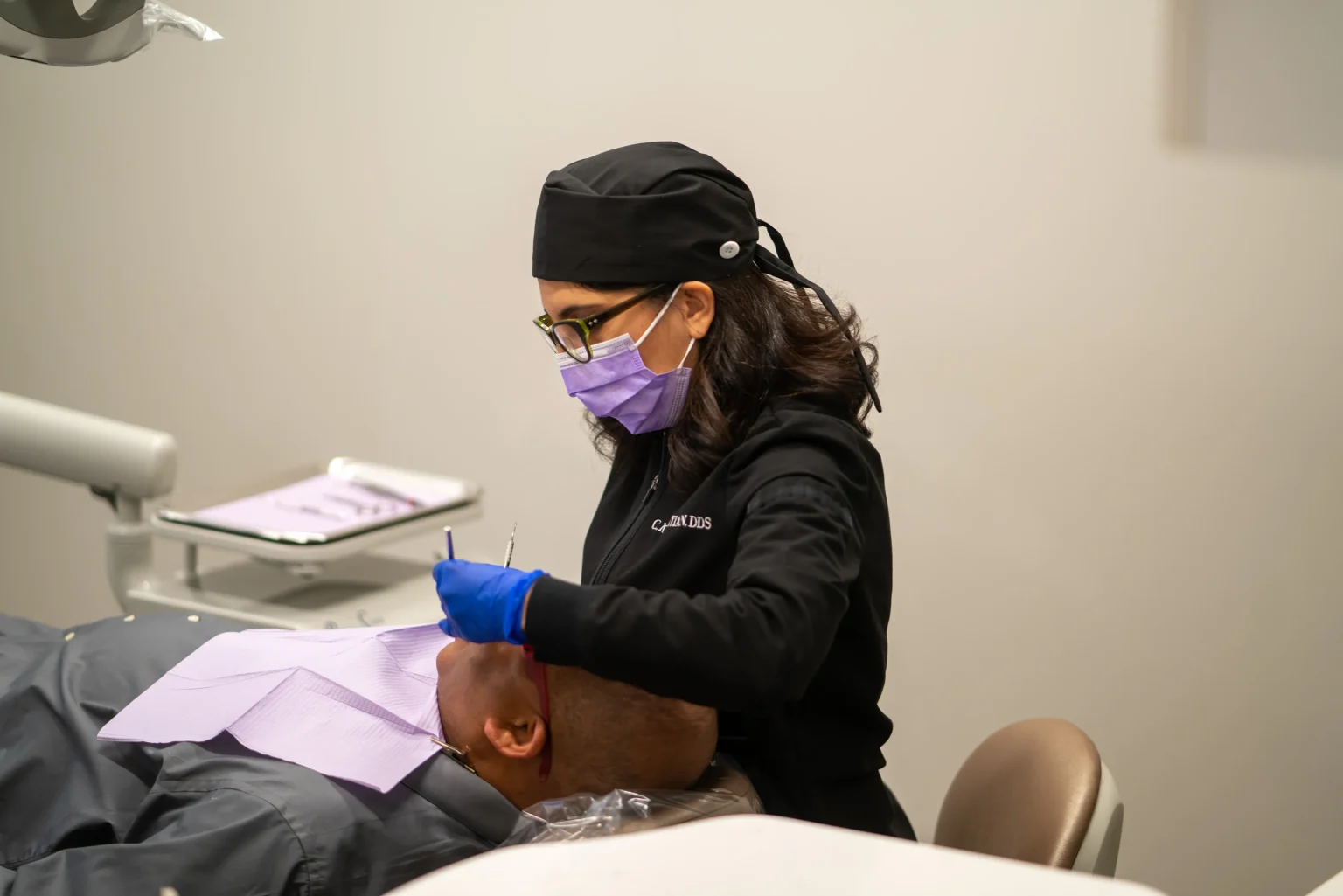
A tooth extraction, a pivotal dental procedure, involves carefully removing a tooth from its socket within the jawbone. Primarily administered by Dr. Karapetian, this process is essential for various reasons, addressing specific dental concerns comprehensively.
- Severe Tooth Decay: One prominent scenario necessitating a tooth extraction is severe tooth decay, wherein a tooth, extensively affected and impervious to restoration through conventional procedures like fillings or crowns, mandates the extraction protocol.
- Orthodontic Treatment: Additionally, tooth extractions assume a crucial role in the realm of orthodontic treatment. Specifically, they are strategically employed to create the necessary space within the oral cavity, a nuanced step for orthodontic objectives such as achieving optimal teeth alignment. These multifaceted situations underscore tooth extractions’ subtle and indispensable role in resolving immediate dental issues and contributing to broader aspects of oral health and well-being.
- Infections: Tooth extraction may be recommended when a dental infection has progressed to a point where it cannot be effectively treated with antibiotics or root canal therapy. Infections in the tooth pulp or surrounding tissues can lead to severe pain, swelling, and potential complications if left untreated. Extraction is considered a last resort to prevent the spread of infection to other parts of the body and to maintain overall oral health.
- Failed Root Canals: Tooth extraction may be considered as a last resort when a root canal treatment has failed to address persistent or recurrent infections adequately, and the tooth cannot be saved through further endodontic interventions.
- Periodontal Disease: Tooth extraction may be necessary in cases of advanced periodontal disease where the supporting structures of the tooth, including the gums and bone, are severely compromised, making it difficult to maintain the tooth’s stability and health.
Types of Tooth Extractions
Surgical Extractions
Surgical extractions are more complex and necessary for teeth that have not fully erupted above the gum line. These require an incision into the gum to reach the tooth, sometimes necessitating the tooth to be cut into pieces for easier removal.
The Tooth Extraction Process
Preparing for the Procedure
Preparing for tooth extraction involves a comprehensive approach by your dentist to ensure a smooth and effective procedure. Before the extraction, your dentist conducts a thorough assessment, utilizing X-rays and discussions about your medical history to formulate a personalized treatment plan. In instances where specific medical conditions are identified, your dentist may prescribe antibiotics as a preemptive measure, both before and after the extraction, to mitigate the risk of infection.
Local Anesthesia and Sedation Options
When administering anesthesia, we tailor the anesthesia level to the extraction’s complexity and your comfort level. While we perform most extractions under local anesthesia, we have additional sedation options available for more intricate cases or patients dealing with anxiety. We provide nitrous oxide, commonly known as laughing gas, or conscious sedation to enhance patient comfort during the procedure.
Extraction Techniques
The actual extraction process involves a judicious application of various techniques determined by factors such as the extraction type and the tooth condition. Dr. Karapetian exercises precision and judgment to minimize trauma and ensure a careful extraction.
Post-operative Care and Recovery
Following the extraction, a crucial phase of post-operative care and recovery commences. A blood clot forms in the socket where we remove the tooth, safeguarding the underlying bone and nerves and initiating healing. The recovery period can vary from several days to a few weeks, and Dr. Karapetian provides detailed instructions for aftercare. Some basic aftercare instructions will include:
- Pain Management: Take prescribed pain medications as directed by Dr. Karapetian or use over-the-counter pain relievers according to the recommended dosage.
- Ice Packs for Swelling: Apply ice packs to the affected area for 24 hours to minimize swelling. Use them in intervals for about 15 minutes each.
- Avoid Touching the Area: Refrain from touching the extraction site with your fingers or tongue to prevent irritation and potential infection.
- Oral Hygiene: Continue regular oral hygiene practices, but avoid the initial extraction site. Use a gentle saltwater rinse as recommended by Dr. Karapetian after the first 24 hours.
- Soft Diet: Stick to a soft diet for the first few days, including soups, yogurt, and mashed potatoes. Gradually reintroduce everyday foods as advised by your dentist.
- Hydration Without Straws: Stay hydrated by drinking plenty of water, but avoid using straws as the suction motion may disturb the blood clot and hinder healing.
- Rest: Allow yourself adequate rest, especially on the extraction day, to facilitate healing.
- No Smoking or Tobacco: Avoid smoking or using tobacco products, as they can impede the healing process and increase the risk of complications.
- Limit Alcohol Consumption: Minimize alcohol consumption, as it may interfere with medications and the healing process.
- Follow-Up Appointments: Attend any scheduled follow-up appointments with Dr. Karapetian for monitoring and adjustments.
- Watch for Signs of Infection: Monitor for signs of infection such as increasing pain, swelling, or unusual discharge. Contact Dr. Karapetian promptly if you notice any concerning symptoms.
- Avoid Strenuous Activities: Refrain from strenuous physical activities for the first few days to minimize the risk of bleeding and discomfort.
Potential Complications and Risks
As with any surgery, tooth extractions carry some degree of risk. Complications can include:
Infection and Dry Socket
Infection can occur if bacteria enter the extraction site before fully healing. A dry socket happens when the blood clot is dislodged or doesn’t form properly, exposing the bone and causing the area to be more susceptible to infection and pain.
Nerve Damage
The extraction of teeth located in the lower jaw can sometimes cause temporary or permanent damage to nearby nerves, resulting in numbness, tingling, or a burning sensation.
Bleeding and Swelling
Excessive bleeding or swelling can occur, especially in surgical extractions, which may require additional intervention by your dentist or oral surgeon.
Benefits of Tooth Extractions
Undergoing a tooth extraction can lead to several long-term benefits, including:
- Relieving Pain: The procedure can alleviate the acute pain associated with infection or damage to the tooth.
- Preventing Infection Spread: Removing an infected tooth can prevent the infection from spreading to other teeth or the rest of the body.
- Making Room for Orthodontic Treatment: Extractions are sometimes necessary to make space for aligning the remaining teeth, often in cases of orthodontic work such as braces.
- Improving Oral Health: By addressing problematic teeth, you help maintain the health of your entire mouth.
Tooth Extraction FAQs
What do you mean by “extraction”?
To extract is to remove something. In dentistry, we refer to the removal of teeth. We use special instruments and techniques to lift or extract the troublesome tooth from within its socket in the jawbone.
Why would a tooth need to be removed?
The reasons to remove a tooth are vast and can largely be divided into five categories:
- The presence of severe tooth decay
- Persistent infections
- Root canal therapy failures (improper healing post-treatment)
- To accommodate and support orthodontic treatments
- The effects of advanced periodontal disease or gum disease.
What about “wisdom teeth”?
Yes! Wisdom teeth or third molars are often problematic because they erupt late in one’s teens or early adulthood. By this time, there may be insufficient space for these backmost teeth to emerge or develop properly. They can become impacted or partly or fully trapped within the gums, damaging the neighboring teeth, producing intense pain, and harming other jawbone-support structures. Unlike the different scenarios mentioned above, these teeth are not essential. So, we do not need to replace them with bridges, dentures, or implants. They do not support your health and proper chewing or other functions. They are vestigial structures that no longer have a purpose for modern humans (like a tailbone and appendix).
How do you remove teeth?
The specific techniques used depend on your needs. For instance, if the tooth is largely intact and easy to access above the gumline, we can loosen it in its socket and lift it. However, for teeth that are impacted, broken, infected, or otherwise inaccessible, an opening is made in the gums to reach the tooth. This approach is referred to as “surgical extraction.”
Will it hurt?
No service or treatment at our office should ever hurt or cause additional pain. Your comfort and safety are our ultimate priority. We use anesthesia to help with any discomfort, and sedative options are available to relax fearful or anxious patients, as needed.
What sedatives do you offer?
We provide a range of sedative options to ensure your comfort during procedures, including nitrous oxide, commonly known as “laughing gas,” and oral conscious sedation, which involves the administration of a prescription sedative in pill form prior to your treatment. Additionally, we collaborate with a dental anesthesiologist when necessary to enhance your experience.
What should I do afterward?
Post-care matters! We will review all instructions with you to minimize swelling, pain, and the risk of complications. With good patient compliance, fast and predictable healing of the extraction site is also supported. It is important to stick to a soft diet. It would help if you also avoid any behaviors that could dislodge the blood clot that forms at the site. So, refrain from using straws or from strenuous physical activities. Be sure to maintain any follow-up appointments as advised.